News & analysis
What 2026 turnout showed about Black voters after Callais
Black turnout surged across the Deep South after the Supreme Court weakened the Voting Rights Act, but the House seat count is still not settled in the sources we can check.
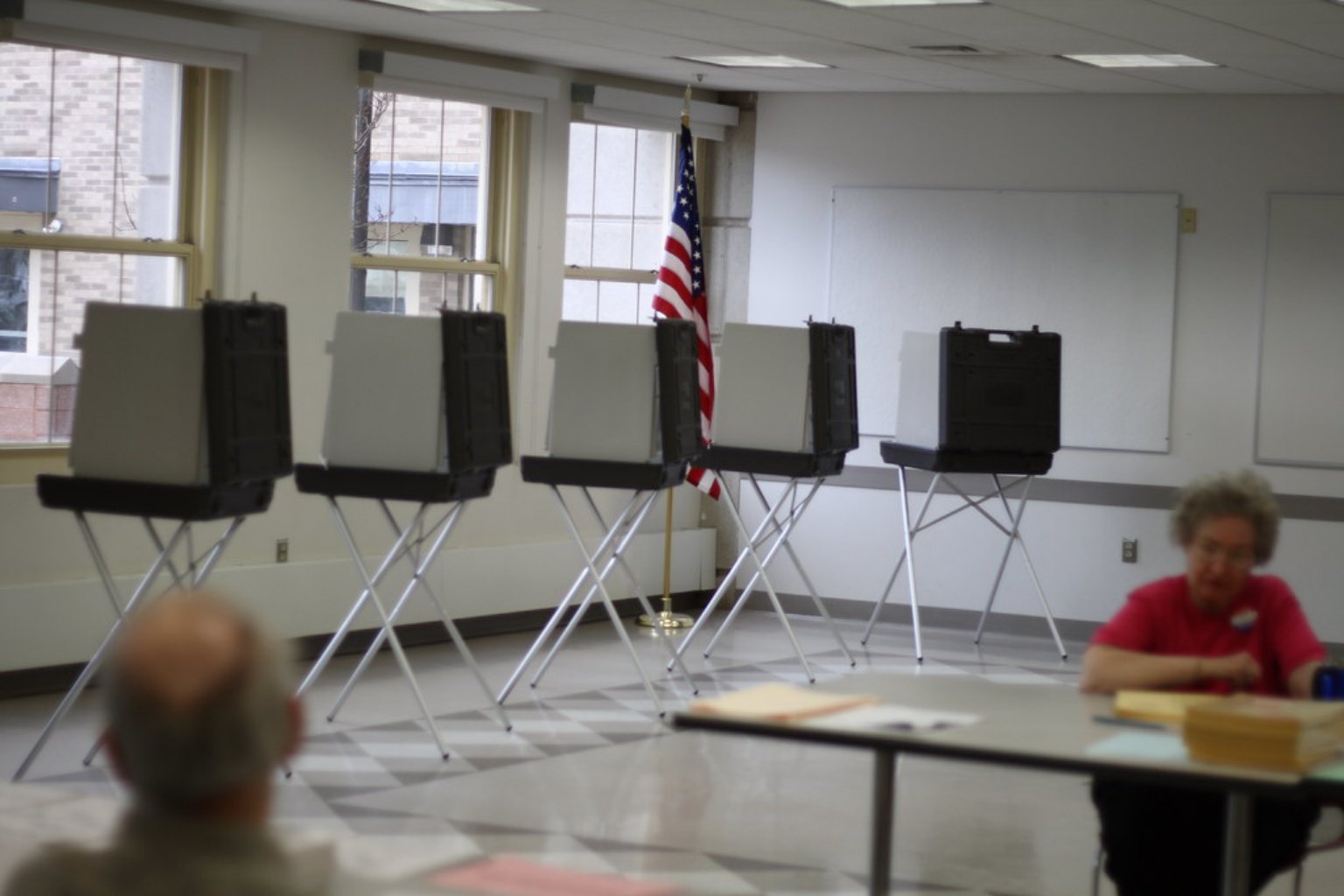
Black voters turned out in force in the 2026 midterms, and in several Southern states that turnout changed who won. Whether it fully offset redrawn maps is a harder question, and this scorecard separates what the numbers show from what they do not yet show. The backdrop is Louisiana v. Callais, decided on April 29, 2026. The Supreme Court voted 6-3 along ideological lines to throw out Louisiana's congressional map. Under the ruling, Section 2 of the Voting Rights Act now reaches only intentional discrimination in redistricting, not maps that simply have a discriminatory effect. Below are four stories from the data, then a checklist for reading it.
Georgia's turnout gap shrank
Political scientist Michael McDonald found that 2026 was the second-highest midterm turnout year since 1914, behind only 2018, according to the Brennan Center. In majority-minority counties once covered by VRA preclearance, turnout ran up to 10 percentage points above 2022.
Georgia shows the pattern most clearly. Preliminary voter file records show Black turnout rose sharply from 2022 while white turnout fell. The white-Black turnout gap was the lowest of any midterm in the past 20 years, the Brennan Center said. Among people who voted in 2024, over 29 percent of white voters stayed home in 2026, compared with 24 percent of Black voters.
There is also a sign of new voters. Only 87 percent of Black Georgians who voted in 2026 had voted in 2024, versus 93 percent of white voters. That suggests more of the Black electorate was newly voting.
The Deep South surge
Analysis from G. Elliott Morris at Strength In Numbers estimates that Black voters in the Deep South turned out at about 96% of their presidential-year levels. For white and other voters the figure was about 71%. Counties in the Black Belt cast ballots at a rate about 8 percentage points higher, relative to 2024, than other Deep South counties. Across all five Deep South states examined, the Black share of the electorate generally grew by 3 to 4 points since 2024.
In Mississippi, New York Times estimates cited by Morris put Black voters at 33% of the electorate, up from 30% in 2024. Democrat Scott Colom was projected to win the Senate race, which would make him the first Black man to represent the state in the Senate since 1901. Morris then swapped in the 2024 electorate as a test: under that mix, Hyde-Smith wins by about 4 points, so Black turnout may have decided the contest.
Local numbers tell the same story. Montgomery County, Alabama, cast nearly 80,000 ballots in the governor's race, versus under 58,000 four years earlier, a 38% increase. In South Carolina, Democrat Annie Andrews beat the Republican incumbent 51.3% to 46.8% in a state Trump carried by 18 points in 2024.
The House seat count is still unsettled
The sources here do not give a final tally of Black members of the next Congress, so this scorecard does not invent one. What they do show is mixed.
In Alabama, Republicans cut the Black voting-age population of the 2nd District from 48.7% to 39.9%. Democrat Shomari Figures still held it, winning 53.8% in 2026 versus 54.6% in 2024. The state had returned to a 2023 legislature-drawn map that a federal court had earlier found diluted Black votes. In Tennessee, after Callais, Republicans split a majority-Black Memphis district that had existed for over four decades and gave it a white majority.
The stakes are long-term. Votebeat reported that nonwhite U.S. representatives rose from 26 in 1983 to 90 in 2023, as majority-minority House districts rose from 35 to 131. Justice Kagan's dissent said Callais makes Section 2 all but a dead letter.
What to watch next
Votebeat noted on April 29, 2026 that few states had time to redraw before this year's elections, so more changes look likelier in 2028. Expect more map fights, not fewer. The Brennan Center cautioned that sustaining strong Black participation is difficult, and the weakened VRA may still do harm in later years.
Morris found no comparable growth in the Black share of the electorate outside the South, in places like Michigan, Illinois or New York, so the surge may be regional.
Organizing is already a factor. The Congressional Black Caucus Institute started its SO VOTE campaign on September 15, 2026, a large-budget push aimed at young, rural and majority-Black communities. Planned outreach covered Georgia, Mississippi and 16 House districts likely to decide control. Rep. Bennie Thompson said it answered Southern Republican map changes that, as he put it, were meant to reduce Black political strength.
Separately, Voting Rights Lab counted Callais as the third Court decision since 2013 to weaken the VRA. Its tracker shows that since 2021, seven states have adopted or broadened voting rights acts of their own.
How to read the numbers
Use this checklist before sharing any turnout claim.
- Check the base year. Comparing 2026 with 2024 (a presidential year) is different from comparing it with 2022, another midterm.
- Separate share from turnout. A rising Black share of the electorate can come from Black turnout rising, white turnout falling, or both. Georgia shows both.
- Look for the word estimate. The Deep South figures come from estimates, and the Georgia figures are preliminary voter file records.
- Notice counterfactuals. The Hyde-Smith result under 2024's electorate is a calculation, not a vote count.
- Ask where it happened. The surge was documented in the South, not nationwide.
- Keep turnout and seats apart. Strong turnout can win a district. It does not restore one that was split.
Quick answers
Did Black voters turn out in 2026?
Yes, especially in the South. Strength In Numbers estimated Deep South Black turnout at about 96% of presidential-year levels, versus about 71% for white and other voters.
Did turnout protect Black representation despite redrawn maps?
In part. Shomari Figures held Alabama's 2nd District after it was redrawn, but Tennessee split a majority-Black Memphis district, and a full seat count is not yet in our sources.
What did Callais change?
On April 29, 2026, the Court ruled 6-3 that Section 2 of the VRA outlaws only intentional discrimination in redistricting, not maps with discriminatory effect.
Sources
- Surprising Turnout Rates in 2026 Midterms | Brennan Center for Justice
- Turnout among Black voters surged in the Deep South
- Supreme Court weakens Voting Rights Act, making it easier to draw gerrymandered political maps - Votebeat
- Supreme Court Again Weakens Voting Rights Act with Callais Decision - Voting Rights Lab
- Congressional Black Caucus launches effort to boost voting among Black, rural and young voters in midterms | PBS News